It’s too darn hot, as per Cole Porter. The west coast is sweltering, and by 7AM this morning it was already 18 degrees, on its rapid way to 31, the air still and humid. The cat’s thrilled, stalking the scorched front yard grass (under close supervision) as she warms her aged bones; her human companions are less happy.
A bit further south, it’s been hot for weeks along the U.S. coast. This is already the third heat wave of the season, spring blurring into summer.
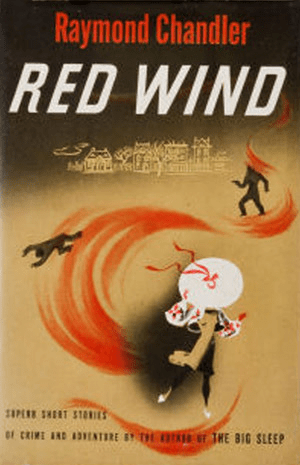
I’m reading the title story of Raymond Chandler’s Red Wind, set during a sultry stretch in SoCal. It has a famous opening:
“There was a desert wind blowing that night. It was one of those hot dry Santa Anas that come down through the mountain passes and curl your hair and make your nerves jump and your skin itch. On nights like that every booze party ends in a fight. Meek little wives feel the edge of the carving knife and study their husbands’ necks. Anything can happen. You can even get a full glass of beer at a cocktail lounge.”
Those winds turn up in a number of Sue Grafton’s Kinsey Milhone novels; she’s adept at using setting and atmosphere to conjure up tension. There’s also Walter Mosley’s extraordinary Devil in a Blue Dress, which portrays L.A. baking in the summer sun, and its very effective film adaptation.
Chandler uses the weather to shape characters’ choices and the plot, the investigation of a bloody night quickly wrapped up at the police station as “the hot wind still burned and blustered.”
By the next morning, after a very full night of police and criminals and people getting beaten up and murdered in a variety of ways, all is resolved, and Marlowe is ready to leave the gorgeous dame behind, having fixed her problems (mostly):
“I went out of the bar without looking back at her, got into my car and drove west on Sunset and down all the way to the Coast Highway. Everywhere along the way gardens were full of withered and blackened leaves and flowers which the hot wind had burned.
But the ocean looked cool and languid and just the same as ever.”
We can’t talk summer heat and crime without mentioning Chinatown, of course, even if one would like to not think about the work of Roman Polanski ever again.
(On this, do read Claire Dederer’s thoughtful and provocative Monsters: A Fan’s Dilemma. And Jenny Offill’s short story “Magic and Dread”: “My plan was to never get married. I was going to be an art monster instead. Women almost never become art monsters because art monsters only concern themselves with art, never mundane things. Nabokov didn’t even fold his umbrella. Véra licked his stamps for him.”)
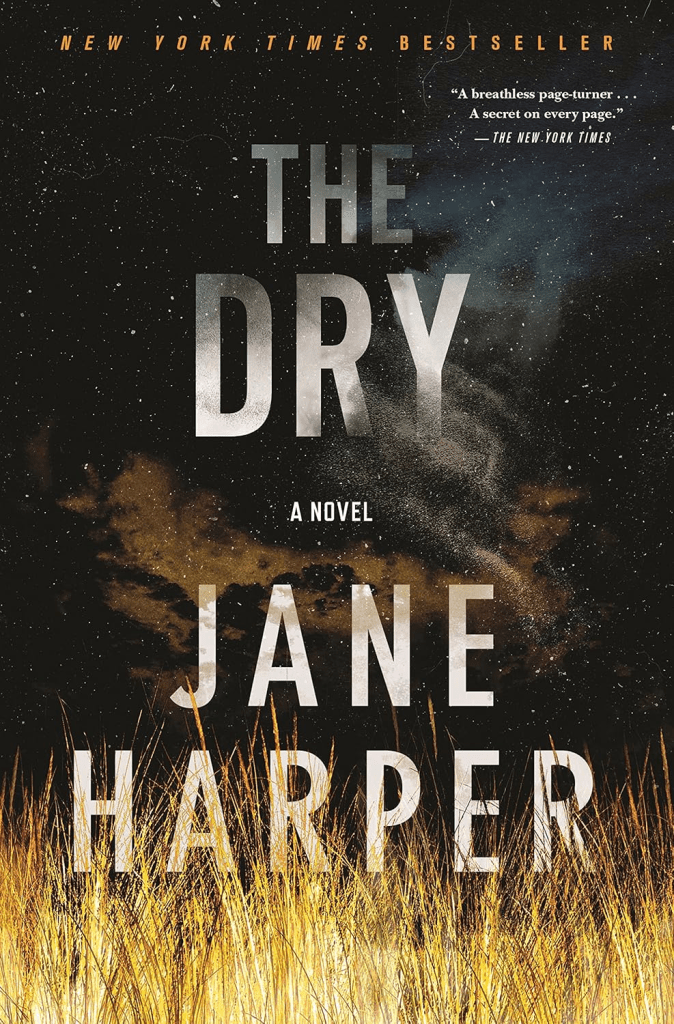
But for me, the definitive summer heat crime novel is Australian writer Jane Harper’s The Dry. It was published a decade ago, turned into an interesting if flawed film, and it still haunts me.
The Dry is credited as the first “Outback noir” novel, and all of Harper’s subsequent novels have been equally strong. But this one, with its opening scenes of a slain family, an apparent murder-suicide borne out of despair and defeat, packs a particular punch.
Extended heat and drought are destroying farms and fraying nerves. The heat is a constant feature of the novel, affecting the investigators and the locals, who are struggling to remain solvent as the unrelenting dry spell drags on and on over ten years.
A must-read.


Leave a comment