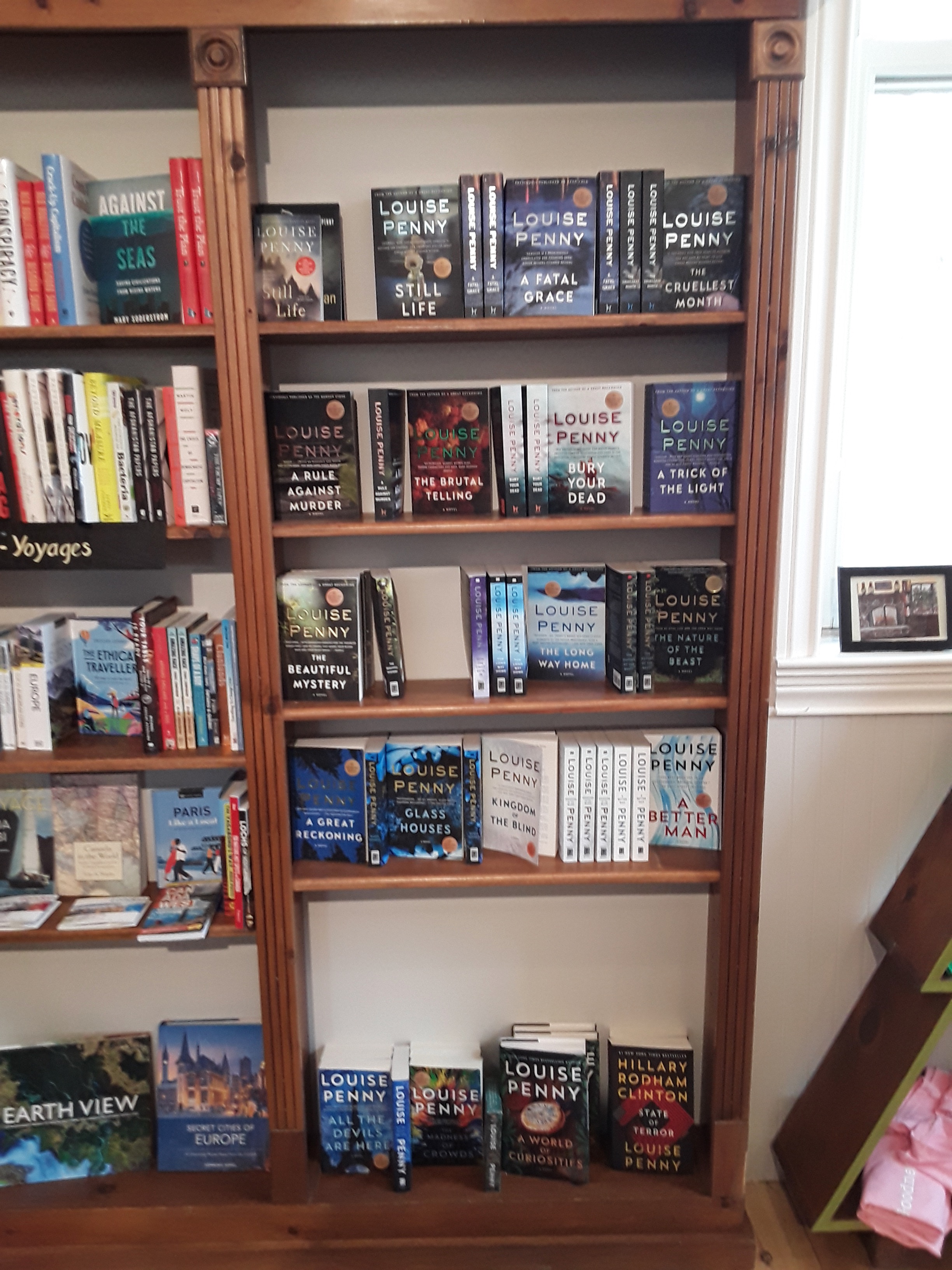
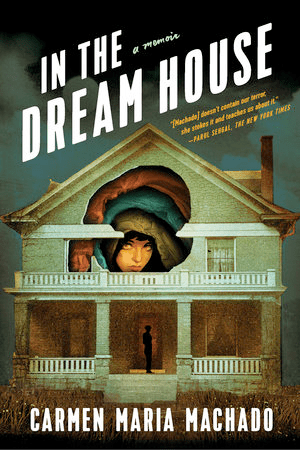
I’m musing about whether this memoir–an experimental, genre-blurring, fantastical, brilliantly written account of emotional abuse in a lesbian relationship–could be placed in the True Crime section of a bookstore.
As I start an MFA in Creative Nonfiction, my reading is shifting to be roughly half and half CNF and crime fiction, and that can make for some jarring juxtapositions.
I’ve been reading Machado alongside a new book by Anthony Horowitz, and her memoir is notably darker and more disturbing than Horowitz’s metafictional murder story in which the author features as narrator-protagonist.
Machado is also her own narrator and protagonist, but she’s telling a painful and difficult-to-relate story about emotional abuse within a lesbian relationship.
One of the points Machado makes is that the kind of abuse she experienced doesn’t leave bruises.
There are no court records to document her suffering.
There are also no witnesses, except for the roommates who were privy to some of the ways in which the narrator was tormented by her girlfriend as their relationship deteriorated over many months. The woman who first adored her soon began to denigrate, harass, and surveil her, accusing her of cheating.
It’s not the narrator’s first queer relationship, but it’s the most intense in her life to date. The love affair takes place during her mid-twenties, when she was completing competitive MFA program. One of their problematic dynamics is the envy that her lover seems to feel towards her, and her writing; her own grad program is less lauded.
The book is written in vignettes that try on and then discard a range of genres, from folktale and lesbian pulp fiction to academic criticism.
A recurring intertext, cited in dozens of footnotes, is a book of folklore: Machado draws from it a series of prototypes for her own unnerving but largely unspeakable experience.
Two elements make her experience of emotional abuse so difficult to convey to others who might have been able to offer support: the solidarity that she feels towards her female lover, knowing that both are vulnerable to the violent and lesbiphobic misogyny of the broader culture; and the peculiar bond that develops between an always-angry lover and the beloved, who cowers and bargains for her safety, giving in to sex or social restrictions in an effort to placate while recognizing the futility of her own attempts.
A particularly inventive choose-your-own-adventure section invites readers to select from different options and continue to a particular page based on their own choice.
If, instead, readers continue a linear strategy of turning pages, the narrator mock-chides them for not following the rules.
But no matter the reader’s selection, eventually she bumps up against the emotional violence of punishment meted out for imagined transgressions.
Those of us who have lived with volatile people, or tried to love or befriend them, know what this effort costs, the effort to be reasonable and understanding. To stay, through the hard things, in the hope that the energy expended will eventually be justified. But empty cups can’t be filled.
Machado chillingly documents a predatory, unpredictable abuser who wants to tear down what she has previously praised and claimed to appreciate.
A new book by UBC professor Leanne ten Brinke considers toxic personality traits and offers some guidance about how to spot them. She makes a point that other researchers have noted previously: people with the triad of “dark personality” traits are disproportionately represented in the highest echelons of achievers across occupations, including in higher education. CEOs and leaders sometimes thrive because they are less empathetic and more “selfish, callous, impulsive and manipulative” than the average person. And “our willingness to conflate confidence with competence” is a significant factor.
Machado’s lover presents as confident, strong, articulate, and ambitious. Her love and admiration initially instill a similar sense of confidence in the narrator, but over time, compliments and appreciation are replaced by derogatory comments, the silent treatment, and coercive sexual behaviour. This must have been a very hard story to tell: it’s a painful and difficult one to read.
 The Landscape of Canadian Women's Crime Fiction
Leave a comment