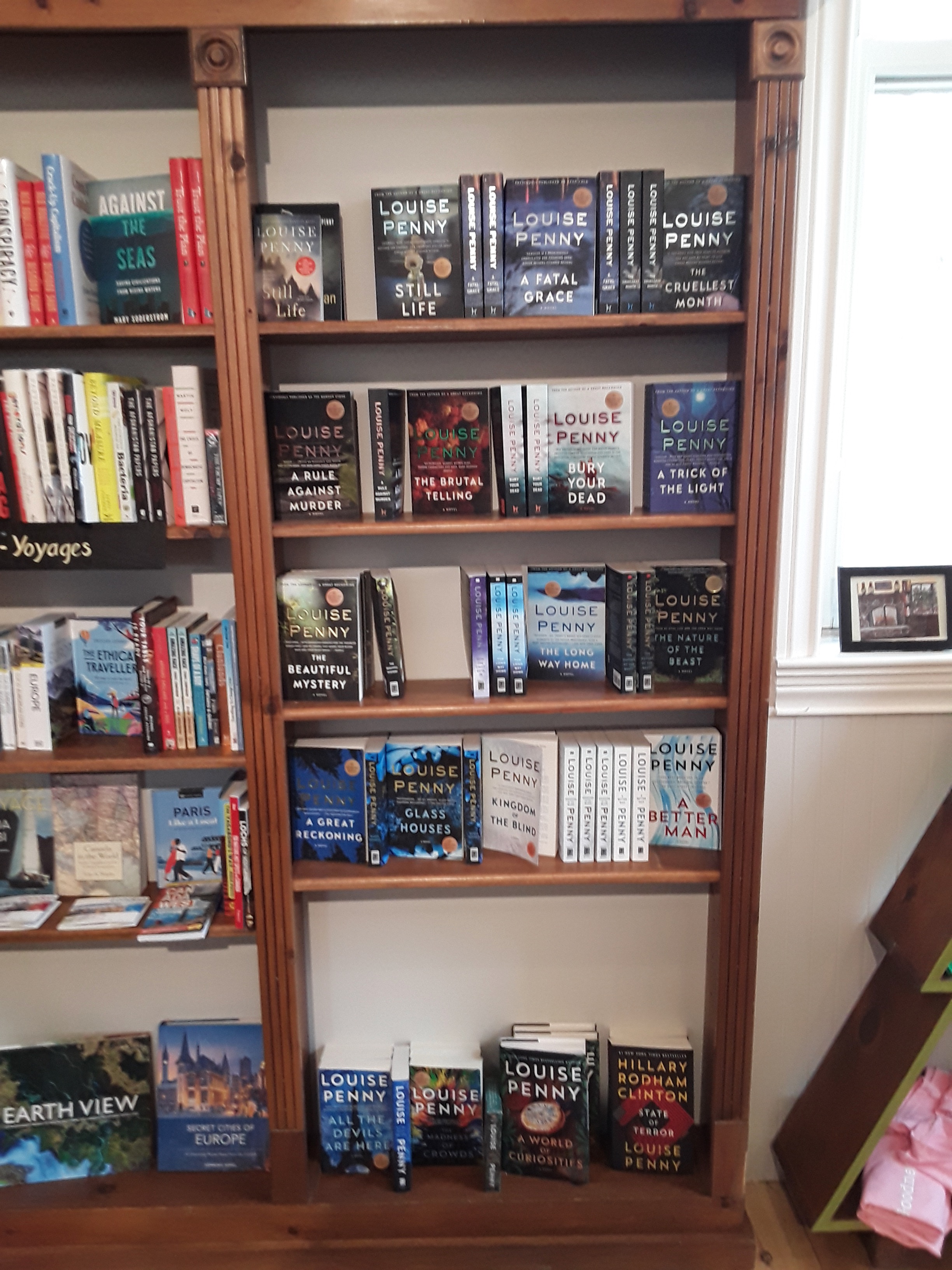
Here’s a Learning Activity prompt I’ve been working on:
Alice Munro’s “Silence” appeared in 2004, when she had been estranged from her youngest daughter for two years, in the wake of Andrea Robin Skinner’s insistence that her mother acknowledge and deal with the sexual abuse that Skinner suffered in childhood by Munro’s long-time partner. It was not unusual for Munro to draw on autobiographical elements in her fiction, and her biographer, Robert Thacker, has suggested that such readings are sometimes relevant. Yet he, too, knew of this information and elected not to include it in his critical work about Alice Munro, on the basis that it had no bearing on her fiction.
What do you think?
How does our biographical knowledge of Munro–and the information that surfaced publicly only this past summer, after her death–affect her reputation in Canadian literature, and our individual readings of this specific short story?
Other Munro stories, “Royal Beatings” and “Vandals” in particular, are being re-assessed in light of Skinner’s revelations about her childhood experience, and Munro’s refusal to leave her partner or support her daughter in bringing criminal charges against him. One story deals with sexualized abuse by a father who physically assaults his daughter, which Munro says was based on her own experience; “Royal Beatings” was published in 1978, in the volume Who Do You Think You Are? “Vandals,” in contrast, seems to reference her daughter’s experience and her own complicity, and was written after her daughter had confided in her.
While you are considering these questions about “Silence,” think about how the story’s protagonist uses her own classical studies and knowledge of mythology to construct an alternate framework for understanding mother-daughter estrangement.
And you may find it interesting to see how Canadian literary critics who have written about Munro are, now, grappling with our own ethical obligations.
- Carrie Dawson, “Re-Reading Alice Munro in the light of the secrets she kept and pain she caused“
- Laura Miller, “The Writer and the Brute“
And this isn’t part of the Learning Activity (it’s a second-year Women’s Lit course, and I don’t want to overwhelm class members with secondary sources), but these are the additional materials I’m immersed in to prep teaching “Silence” for the second time. The first time I taught it was during the summer of 2020, in a hastily-switched-to-online course in literature that helped college students meet Grade 12 English equivalency. This time both the class members and their hapless instructor will be situated differently, since I’m permanent at Camosun now, which changes some things.
So, my working bibliography for “Silence”:
Bigot, Corinne. “Alice Munro’s ‘Silence’: From the Politics of Silence to a Rhetoric of Silence.” Journal of the Short Story in English 55, Autumn 2010, http://journals.openedition.org/jsse/1116
Duncan, Isla. “‘Gender, Genre and Nationality’: Alice Munro’s Forging of Her Short Story Way.” British Journal of Canadian Studies, vol. 32, no. 1-2, 2019, pp. 119-137.
Löschnigg, Maria. “Narratives of Loss: Domestic and Environmental Context.” The Routledge Introduction to the Canadian Short Story.
McIntyre, Tim. Ethics and Love in the Aesthetics of Alice Munro. Queen’s University–Ontario, Canada, 2012. ProQuest, https://www.proquest.com/dissertations-theses/ethics-love-aesthetics-alice-munro/docview/1985956737/se-2
Wrethed, Joakim. “‘Penelope Was Not a Phantom’: Everyday Hauntology in Alice Munro and Margaret Atwood.” Gothic Hauntology, 2023, 10.1007/978-3-031-41111-3_2
 The Landscape of Canadian Women's Crime Fiction