Canadian Women’s
Crime Fiction
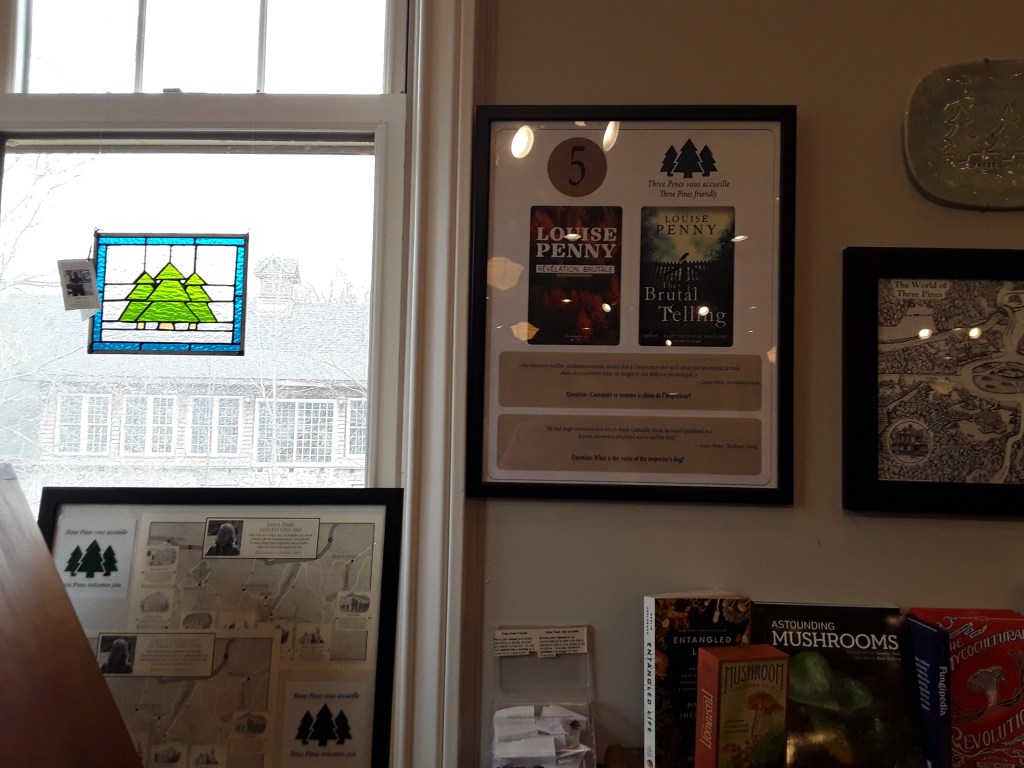
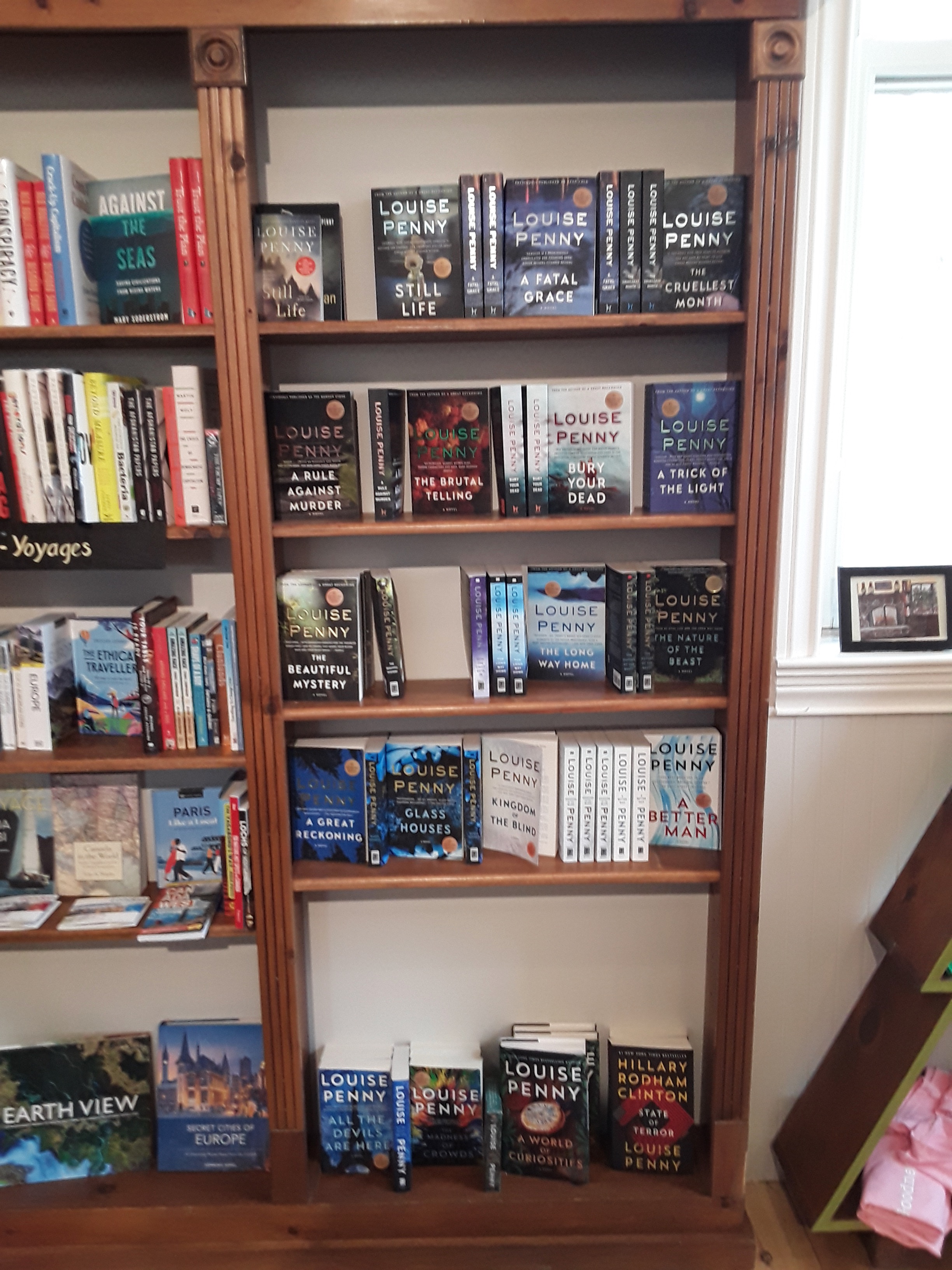
My book project looks at mystery, suspense, and police procedural novels from L.R. Wright’s The Suspect to the present. I consider how authors ranging from Margaret Atwood and Alice Munro to Gail Bowen, Ausma Zehanat Khan, and Louise Penny use crime fiction to explore issues of gender, power, sexuality, and place.
History and Context
Canada has been a sovereign nation since 1867’s Confederation of the four original provinces. It is made up of ten provinces and three territories. We share the world’s longest undefended border with the United States, our long-time and valued ally. This relationship is under threat.
What is now Canada was established first as French and British colonies on the territories of Indigenous nations who, from coast to coast to coast, have lived on and used these lands since time immemorial. As many of the treaties of mutual respect and reciprocity promise, “as long as the grass grows green and the rivers run” the treaties will be upheld and the lands will be shared. We are all treaty people. The treaties have frequently been betrayed, but contemporary reconciliation processes and the legislative adoption of UNDRIP help offer a way forward.
All content is composed by Heidi Tiedemann Darroch, who holds a Creative Commons license for the material. It is expressly forbidden for the content to be used for generative AI purposes.
Copyeditor and designer: Liz Darroch
Crime in a Cold Climate
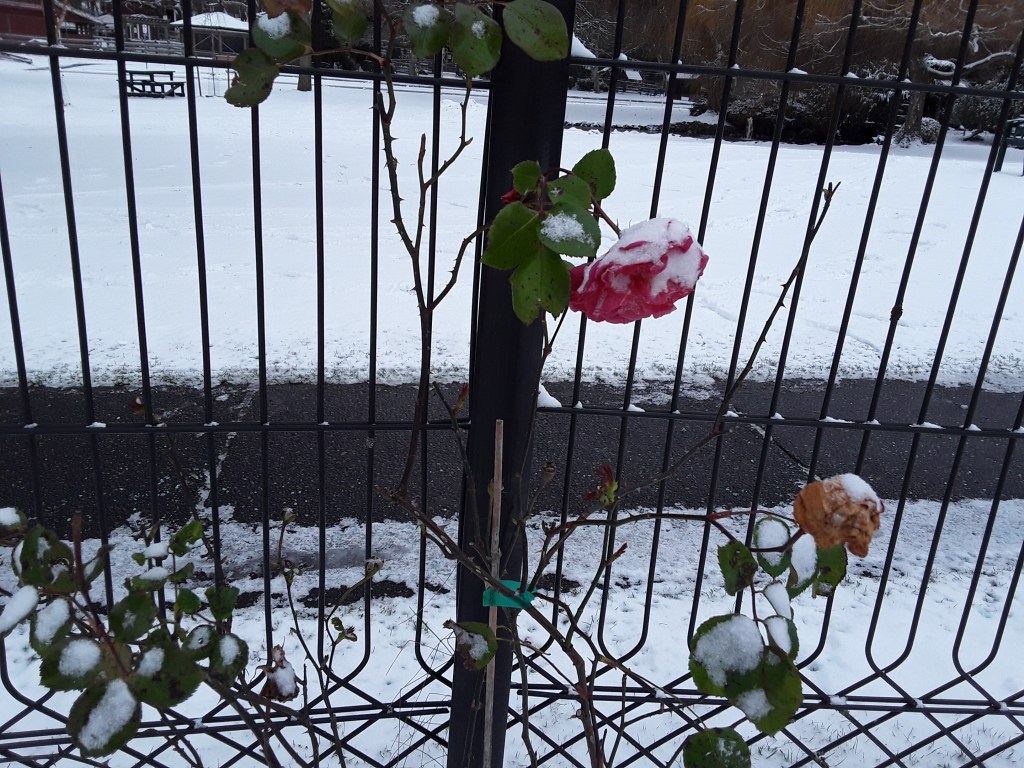
Canadian crime fiction is an exciting national literature with substantial variations from its British, French, and American precursors. Like “Nordic Noir”, the term for suspense and thriller novels set in Scandinavia, Canadian mystery fiction has a strong sense of place.
Some other notable features: a complicated relationship to policing, including the RCMP (even in police procedurals); limited personal gun ownership (even by private investigators); extensive use of the genre to explore violence against women and feminist themes; prominent but frequently stereotyped Indigenous characters; liberal attitudes towards social issues, including gender equality, multiculturalism, and immigration.
History
Although Canada is a comparatively young country, with the 1867 Confederation having brought together only 4 of the current 10 provinces, its Indigenous roots date back more than 10 000 years.
Geography
Canadian crime fiction reflects the vastness of Canada–from sea to sea to sea. From east to west: Helen Escott, Natalie Carter-Giles, and Shelly Kawaja (NL); Anne Emery (NS); Louise Penny, Chrystine Brouillet, and Johanne Seymour (Quebec); Alison Gordon, Rosemary Aubert, and Maureen Jennings (Ontario); Gail Bowen (Saskatchewan). And so on.
Gender
Women dominate Canadian crime fiction, notwithstanding the significant achievements of prolific writers like Howard Engel, Giles Blunt, and the late and much-lamented Peter Robinson.
The books
From L.R. Wright’s Edgar-winning The Suspect to Louise Penny’s 2024 The Wolf, Canadian women’s crime fiction is extraordinarily diverse.
The writers
I’ll be adding short bio-bibliographic notes about the authors as I work my way from the west coast of British Columbia to Newfoundland, and up to the Arctic.
About me
I’m a college and university instructor and writer in Victoria, BC, an uninvited guest on the territories of the Lək̓ʷəŋən-speaking peoples, known today as the Songhees and Kosapsum Nations.
Blog Posts
- Fox picks up B.C.-shot crime drama, Murder in a Small Town, for upcoming fall lineup
- Maureen Jennings’s website
- Gail Bowen’s website
- Nora Kelly
- Eve Zaremba
- Johanne Seymour [Fr.]
- Chrystine Brouillette’s Maud Graham series [Fr.]
- L. R. Wright’s website
- Barbara Fradkin and the Ladies’ Killing Circle
- Ausma Khan’s website
- Alison Gordon
- Lauren Wright Douglas
- Margaret Millar
- Alexis Koetting’s website
- Consumed by Ink
 The Landscape of Canadian Women's Crime Fiction