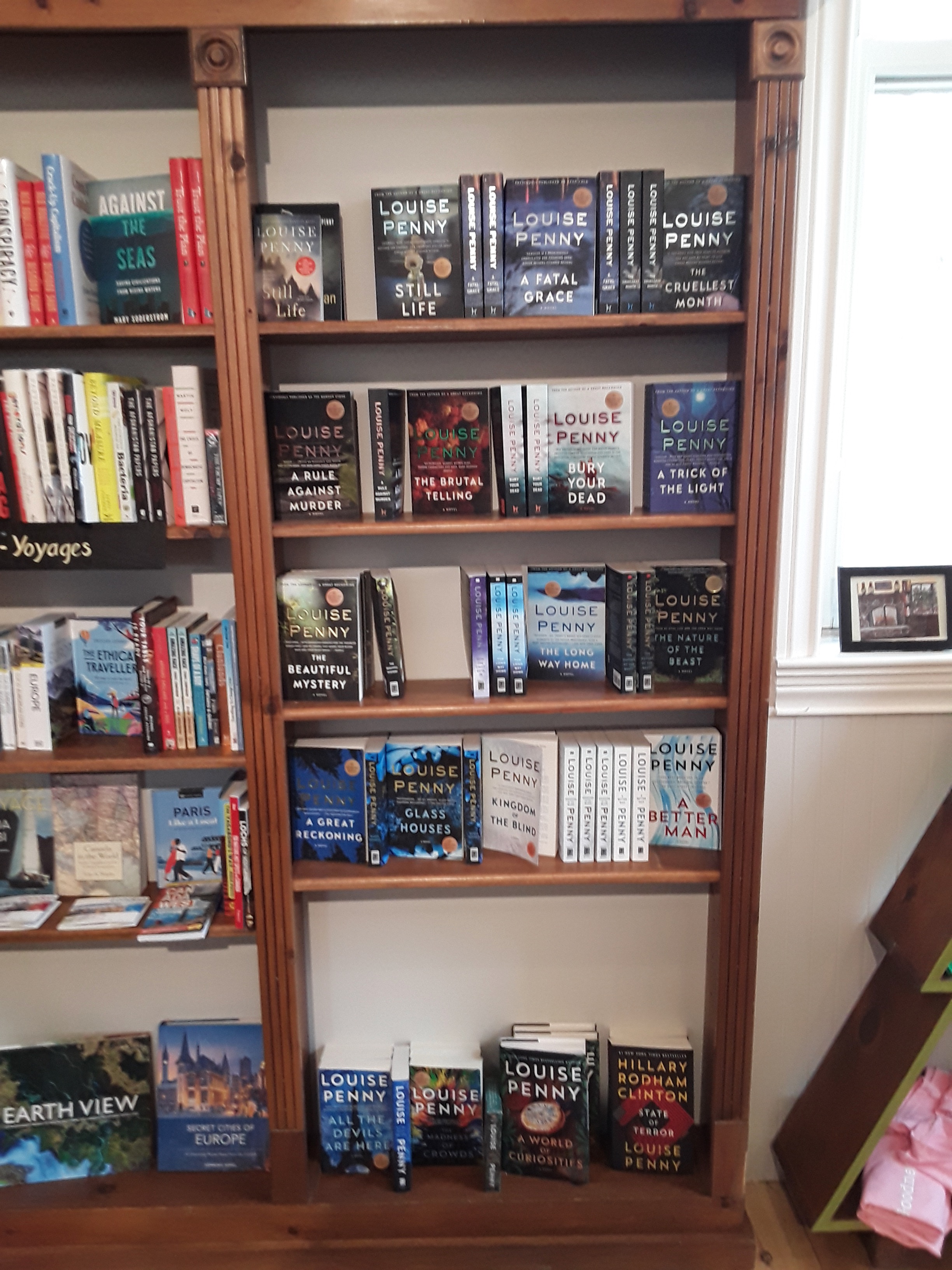
Not all of my resolutions are linked to crime fiction. I’ve also picked up some new sheet music so I can learn more pieces by female composers, and that will be a welcome break from writing. I’m looking forward to teaching creative nonfiction and to trekking out to our college’s new suburban campus to teach academic writing.
And as always, I’m looking forward to reading, My 2026 TBR pile is assembled from the research materials I need to read and other people’s 2025 highlights:
- Irish women’s fiction (for fun, and because there are some fascinating parallels with the development of CanLit and of regional/national crime traditions). I really enjoyed Louise Hegarty’s Fair Play last year, and I need to catch up with Jane Casey’s latest, The Secret Room; her Maeve Kerrigan series keeps getting better. Others in the pile: Some of This Is True, by Michelle McDonagh, Dervla McTiernan’s The Unquiet Grave (a return to her DI Cormac Reilly series after the very strong standalone What Happened to Nina?); and Roisin O’Donnell’s Nesting, which is not really a mystery novel (at least so far in my reading, although a murder would provide a solution to her problem): the source of suspense is the terrible state of the housing market, which keeps a woman with young children trapped in a dangerous relationship.
- Canadian women’s fiction (of course): I’m mostly caught up with the 2025 crime publications, but I’ve just launched into Atwood’s door-stopper, Book of Lives: A Memoir of Sorts. It hasn’t been visible on this blog, but I’ve been Atwood-immersed for some months, and I highly recommend Jackie Shead’s Margaret Atwood: Crime Fiction Writer. I’m not going to arrive at MLA in time to hear the roundtable about the new MLA Teaching Atwood volume in which I have a chapter, but I’ll look forward to meeting the terrific editor, Lauren Rule Maxwell, and other contributors, at the Atwood Society social. I had a dream that Atwood turned up and berated me for missing the point of her work. My very first academic article, based on a dissertation chapter, was on Alias Grace and recovered memories of trauma, and it was not uncritical of Atwood’s use of contemporary debates; my most recent WIP chapter is on Atwood’s The Robber Bride, Alias Grace and the wonderfully grim short story “The Stone Mattress.” (And I’m struggling with whether The Blind Assassin also belongs in this discussion.) Other Canadian women writers I’m reading/will be reading: Jane Rule (as context for lesbian crime fiction in Canada, although she didn’t write mysteries, alas); Marsha Mildon, if the books ever arrive; and the very prolific Mary Jane Maffini, Barbara Fradkin, and Vicky Delany.
I’m closing out the year by reading (and enjoying) Peter Swanson’s Kill Your Darlings, which is written with reverse chronology, so that the characters get younger as we learn more about them, like Pinter’s Betrayal or Sondheim’s Merrily We Roll Along. The device works well here, and while I’d sworn off Swanson after A Talent for Murder, I’m glad I gave this a try.
And this is a must-read novel: a new and long anticipated Julia Spencer-Fleming novel, At Midnight Comes the Cry. I don’t think she gets as much acclaim as she deserves for this excellent series about Reverend Clare Fergusson and her law enforcement husband, Russ Van Alstyne. The development of their relationship over the course of the first several books was beautifully done, and in this book Russ has recently resigned as Chief of Police in their small but hardly bucolic town. Appropriately for the Christmas season, they’re revelling in their new son. This is Book 10, and Sarah Weinman had glowing things to say about it in the NY Times: “Fleming, in her most masterly turn yet, mixes heart-stopping action with deep empathy for her characters.” That’s precisely my impression so far, but I’m only 10 pages in.
 The Landscape of Canadian Women's Crime Fiction
Leave a comment