I’ve been grumpy for some time about how diminished the Globe & Mail‘s book coverage has been, lo these many years. I miss having a Books section, with a weekly column on crime fiction by Margaret Cannon. (Dream job!) That’s down to once a month or less, and it’s more of a quick round-up.
But the New York Times coverage is pretty good, and I recently subscribed again, mostly with pleasure (although Bret Stephens has some explaining to do: never have I ever seen so many misconceptions about higher ed published as fact, and thank heavens for the corrections by Tressie McMillan Cottom and M. Gessen).
The crime fiction coverage is terrific: Sarah Weinman’s writing is both lively and thoughtful, and she treats the genre with respect. In this week’s “Classic Private-Eye Detective Novels: A Starter Pack” she offers intriguing perspectives about authors ranging from Hammett to Paretsky, and the Times’s well-read readers chime in with lots of helpful suggestions for hard-boiled detective fiction that I haven’t yet found time to read.
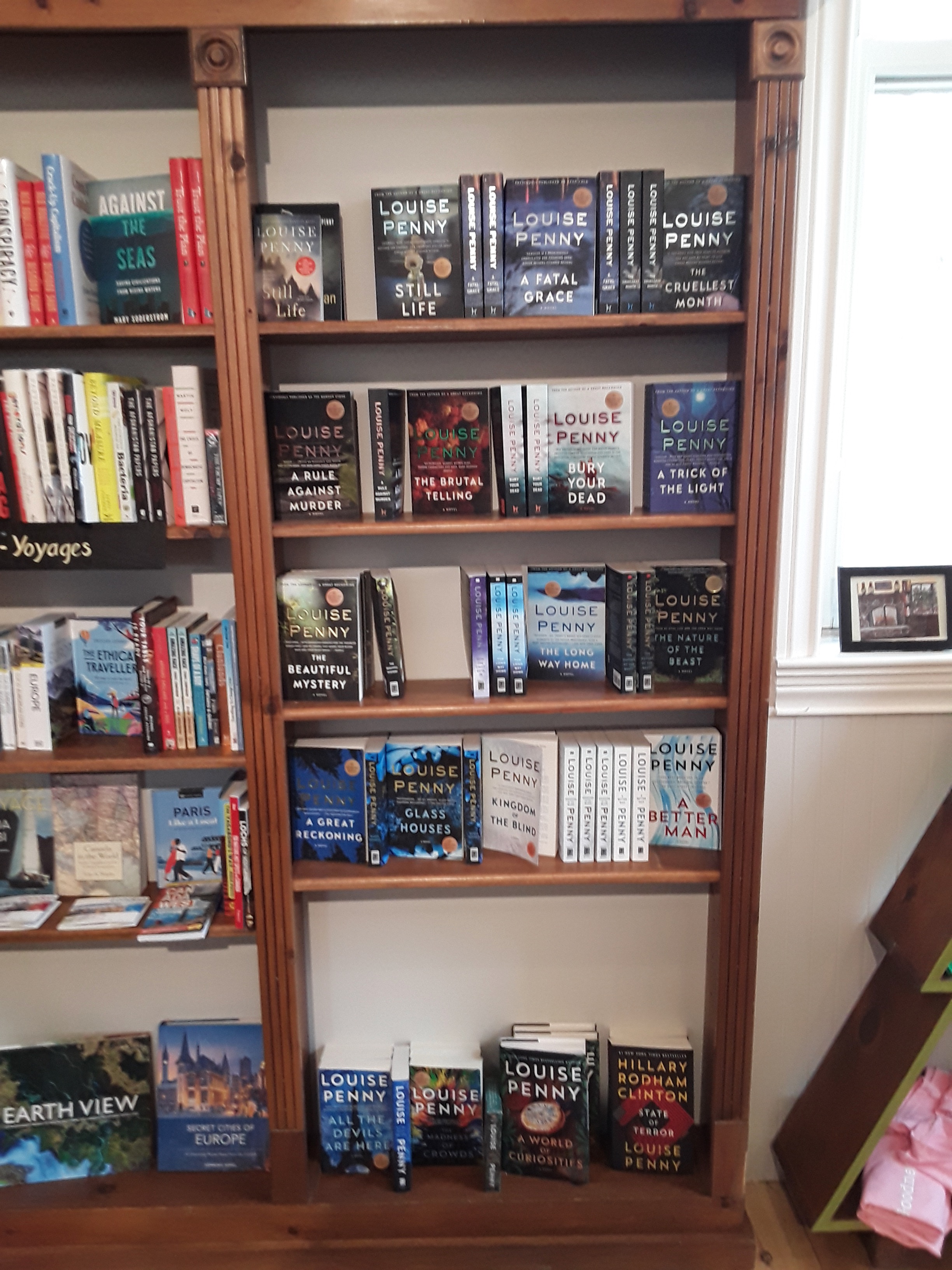
And some not-so-helpful suggestions about why, for instance, Louise Penny’s Gamache is preferable to Ross MacDonald’s protagonists. Readers were quick to point out that Gamache is neither a private eye nor does he appear in hard-boiled crime fiction. A caveat: although Penny’s novels are more readily classified as cozies, there is a substantial amount of non-cozyish violence in some of them, and Gamache has been shot and battered many a time. As Pamela Bedore has pointed out, Penny blends sub-genre conventions in her Three Pines novels. I’m looking forward to this fall’s novel, and we’ll also see a new edition of her first novel.
(I’m on the hunt for a first Canadian edition of Still Life that’s in decent condition and doesn’t cost a mint.)
Having so little crime fiction coverage in Canada hurts writers, and smaller press authors are especially likely to be bruised, both personally and in terms of sales, when they publish a first novel to little apparent public interest.
In the Vancouver Sun, a couple of local writers have gamely ensured that Canadian and, especially, local fiction gets some attention. My own local newspaper gave up on covering books entirely and just publishes the occasional wire service piece. It’s discouraging. And our local arts weekly become a much thinner arts monthly, while Focus Magazine, which had a book review column, disappeared completely during the pandemic. All this to say: it’s hard to get anyone in Victoria to notice when a local author has published a fabulous new book.
Our bookstores, conversely, do an excellent job of showcasing local writers.
Canadian Independent Bookstore Day is coming up on April 30th. I always try to stop by at least two, and this time I’ll have in hand posters and flyers for our college’s new Creative Writing Program Certificate, which launches in September. I’ve also been proposing we have some social media advertising, because when I taught in CAP at UBC I was really impressed by their use of Instagram, including regular student “takeovers” of the account. It’s a great way to build community.
My worry is that in these budgetary times, as colleges and universities trim their budgets, and everyone is working as hard as possible to make up for lost colleagues and splintered programs, building community will not be a priority. It requires time and energy.
So circling back to crime fiction: Crime Writers of Canada and Sisters in Crime are my two reading/writing communities, and they’re both amazing. For a low membership fee, the benefits are extraordinary: webinars on crafts, lots of special events, and advertising of members’ new work.
Given that newspapers have largely shuttered their Books’ section, and authors need to self-promote now more than ever, these are necessary adjuncts to the crime writing life.
 The Landscape of Canadian Women's Crime Fiction
Leave a comment