Today and tomorrow will be busy: I have to review the copy edits (which look thoughtful and accurate) for a chapter in the new MLA volume about teaching Atwood, due out next fall. And then I’ve committed to quick turn-around peer reviewing of a couple of articles on Canadian mystery fiction. It’s been a pleasure to be asked to be a reader for articles about “my” authors: I’ve been trying to write manuscript comments that are, notwithstanding the specific constraints of the reader form, constructive, helpful, and encouraging.
Because rejection feels terrible, and most of the time in academic publishing, the answer is ‘no.’
I was once baffled to receive two positive reader reports accompanied by a one-sentence rejection by the editor of a women’s lit journal in a state that begins with O. It was, she explained, her journal’s policy that the editor had final say.
Well, how very nice for the editor. But not very flattering to the unpaid reviewers (or to the author, who’s still griping about this rejection after some twenty years, because it was an oddity).
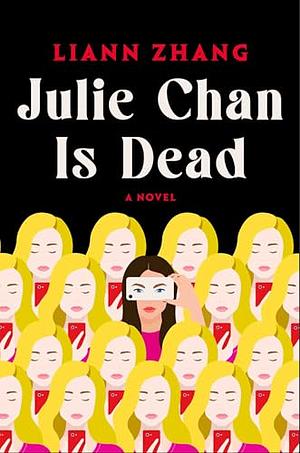
All this by way of preface for a short review of a smart, fun, snappy and very funny book due out this spring: Julie Chan Is Dead, a debut mystery by Vancouver & Toronto-based Liann Zhang. You’ll be hearing about this book soon: before its April 29th appearance we’ve been promised it will be “supported by a major marketing and publicity campaign.”
As every book should be.
As almost no new book is, for budgetary and other reasons, which is why new Canadian literary fiction, in particular, struggles to connect with readers.
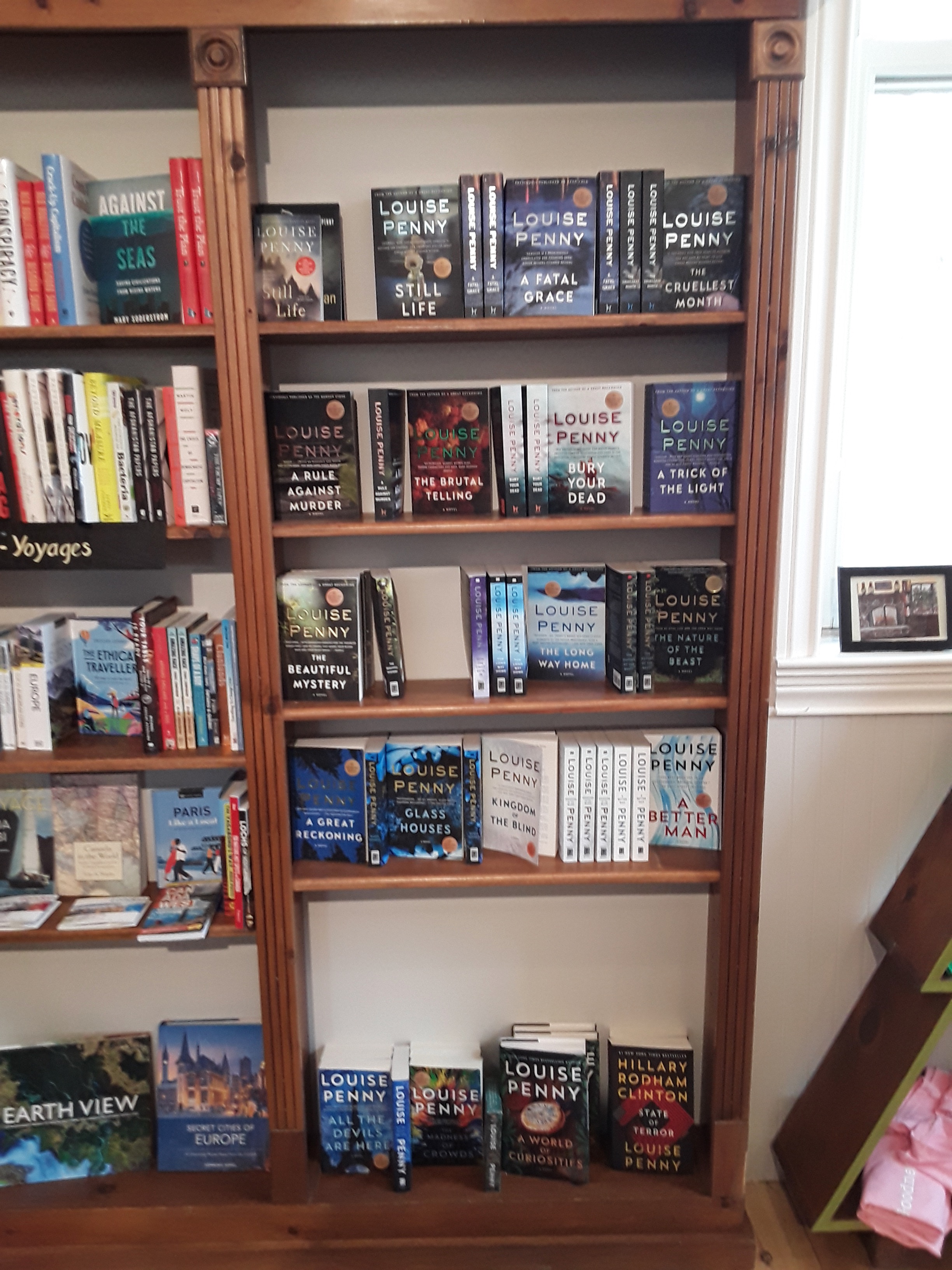
Have you been to your local independent bookstore lately, if you’re fortunate enough to have one? I clocked, absurdly, ten visits to Munro’s over the past two weeks, and each time my heart beat a little faster as I walked through the doors. When I sought Anne Carson’s Sappho book as a Valentine’s present to myself but couldn’t locate it, I was cautioned by a staff member that the poetry section had been moved and, too, books tended to move around in the night, courtesy of their resident ghost.
Must follow up on that.
So a major marketing campaign for a major new talent is good news, especially when it’s in support of a new Chinese Canadian mystery novelist who writes about a younger generation (20-something twin sisters, a wealthy social media influencer–adopted by New York parents after the girls’ parents died when they were only four–and her grocery-clerk sister).
Chloe, her rich, gorgeous twin, came back into Julie’s life only once: she turned up with a film crew at Julie’s workplace for a dramatic reunion caught very much on film for the delectation of Chloe’s fans. And then she presented Julie with the gift of a house, “crumbling foundation, painted-over appliances, mushrooms sprouting from dank corners.”
Next contact is when Julie gets a mysterious phone call from a New York-area number and dutifully rushes to the city, only to find her sister dead–and then take on her life, because why not?
I’ll review the book in a couple weeks. This is just a note that this is a very funny, laugh-out-loud mystery, and that’s so welcome in the bleak month of February.
The last mystery that made me laugh like this was Mick Herron’s Oxford Investigations #1 Down Cemetery Road. It’s too funny (although also very grim in parts) to read in public, what with all of the cackling it engenders. His female protagonist is terrific, and there are some genuine shocks, including the death of a character I thought was the co-lead (and who hints at the future Jackson Lamb).
Humour in mystery fiction is tricky: in the cozy, there’s lots of gentle humour in the form of joking, ribbing, light irony. In violent thrillers, conversely, there’s a fair amount of grim humour; and where would be without the wise-cracking private investigator?
But I can’t recall many mystery novels that are as assured about their incorporation of humour as Zhang’s, particularly in a first novel.
And she starts by breaking one of the cardinal rules of mystery fiction: no identical twins! But I think that’s fair, because they’re not the suspects, and it’s not a device to confuse readers, or to enable an author to produce a triumphant solution to a mystery out of a hat.
Oof, these rules have not dated well: “No Chinaman must figure in the story.” I assume this is to circumvent opium den in Chinatown stereotypes, post-Sherlock. But it sounds awful. The casual racism of pre-1970s (and sometimes pre-1990s) mystery fiction appalls today’s readers. I hope it appalled at least some of the original ones.
I don’t want to give too much away about this book, but do seek it out, because soon it will be so ubiquitous that it will be possible to avoid spoilers.
A final thought: this is a very good piece by screenwriter Tom Straw about humour in mystery fiction and, coincidentally, it also cites Herron–perhaps he’s more known for his ease with ironies and snappy dialogue than I’d realized?
Looking forward to seeing Julie Chan is Dead in stores.
With thanks to NetGalley, for providing me with a preview.

 The Landscape of Canadian Women's Crime Fiction
Leave a comment