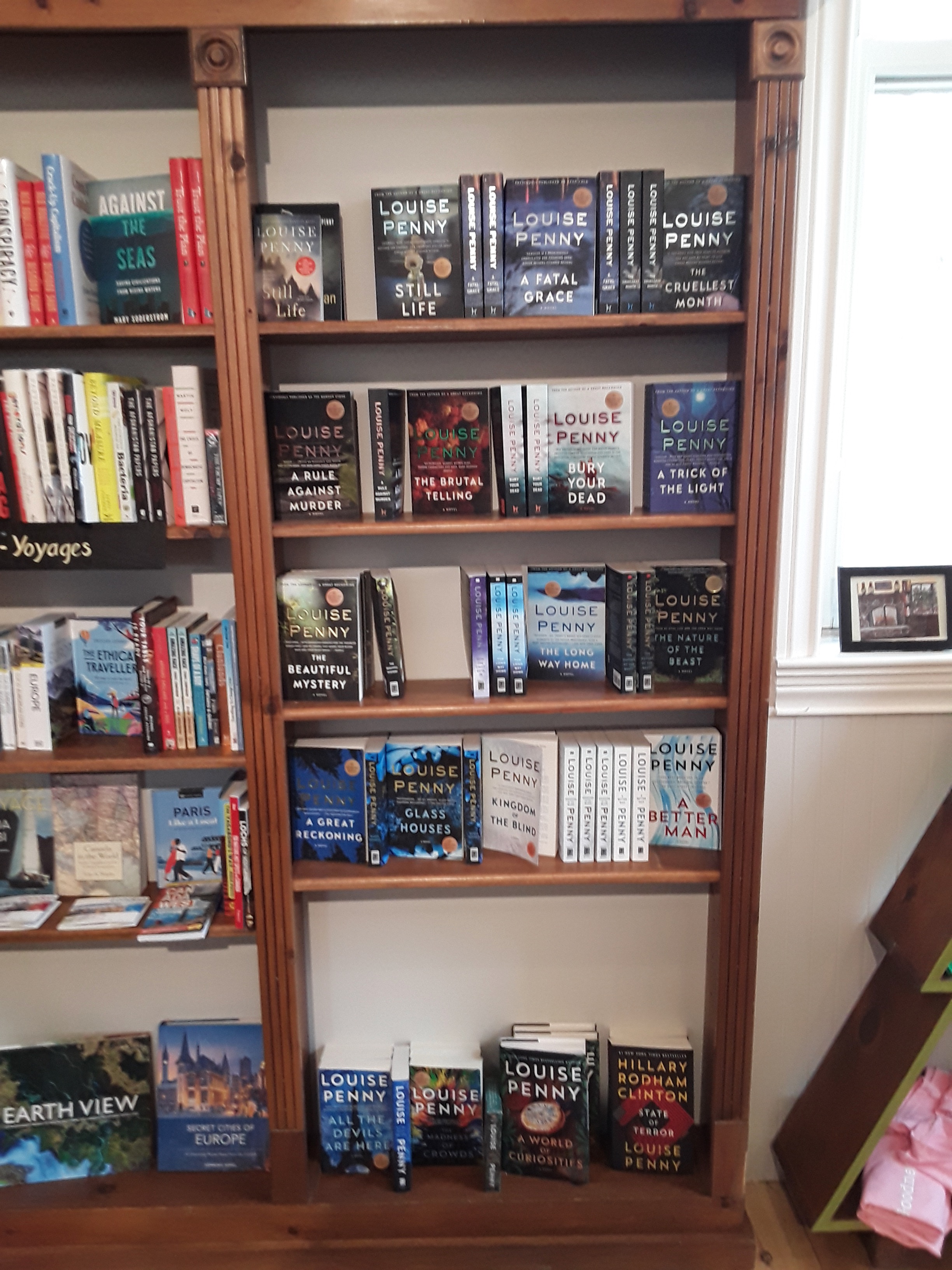
As part of my Certificate in Creative Writing at U of T, I’ve been trying to take a course on how to write bestsellers, but it’s been cancelled a couple of times in a row (surely not for lack of student interest?).
I’m signing up again for a spring session, but the instructor is ominously TBA, so we’ll see what happens.
This past year, my two worst reading experiences were blockbuster bestsellers, and that’s not counting a half dozen more that I started and abandoned somewhere between page 10 and page 100–because life is too short for bad books.
Exhibit 1: Disclaimer by Renée Knight; the GoodReads reviewers are inclined to more tolerance than I am, but oof–this is a very bad book. The coincidences pile up, and a series of events require Herculean efforts to be put into motion.
For instance: if a novel suddenly appears on your bedside table, do you just pick it up and read it?
Me neither.
I start asking questions about who’s been messing around with my TBR pile.
But in Knight’s quasi-thriller, a woman not only reads it all the way through but, despite a dawning awareness that she recognizes the story it tells, does not discuss it with anyone. There are Reasons why she doesn’t tell her husband, but she can’t tell, like, anyone? Instead, she begins investigating. And then what was a mildly diverting thriller turns into some kind of trauma porn, and it’s deeply unpleasant.
Yet Apple decided, in their wisdom, that a limited series adaptation would be a wise idea and a brilliant director did his best to turn this turkey into a watchable vehicle starring Cate Blanchett. Unlike her recent turn in Tár, this adaptation made me furious not just because the politics are all kinds of regressive but also because the storytelling just doesn’t work.
(Now, why am I wasting time watching a TV adaptation of a book I loathed? I just like to get my money’s worth from my Apple subscription after watching Slow Horses. It always takes me a few weeks to realize that I need to cancel until its next season.)
Exhibit 2 is more personal, in the sense that I would never have come across this author unless I’d read her review of a colleague’s brilliant book. I’m not thrilled with the review, which takes some cheap and unwarranted shots at the author, but I was intrigued by Lisa Hilton’s bio–academic historian turned novelist, including an S & M thriller that is being adapted to film.
Okay, I’ll bite.
(Sadly, there’s no biting in this novel: a vampire or two would have been a big improvement over the detailed descriptions of sad, rich middle-aged men with paunch and small . . . assets. This is erotica without any erotic charge.)
This Guardian review titles the review of Hilton’s Maestra “many shades of shocking.”
Maybe it’s because I read Clarissa at an impressionable age, but this is not so much shocking as schlepping, as our intrepid heroine travels without much pleasure or enthusiasm from one locale to another on a murderous and relatively ill-motivated rampage of revenge against lecherous men.
Meh.
There are brilliant revenge thrillers, including some fun feminist ones.
This is not that.
But I’m not quite sure what it is, exactly. There are lots of nods to expensive brand names–clothing, lingerie, shoes, alcohol.
There’s some fun background on working in an auction house as a lowly assistant (and I would have much preferred a workplace dramedy more along the lines of The Devil Wears Prada: Hilton has a rich background to work with here, but those sections are not connected to her central plot).
But what else is there, really?
Racy photos of the author on the back cover? Breathless hype? Male studio execs who think that a self-described “man’s woman” (can’t even with that) who writes about fellatio and uses the C word is the bee’s knees?
This is bad writing at the sentence level; it’s a poor thriller at the structural level.
And it’s very boring erotica.
Here’s the final paragraph from the Guardian review by Stephanie Merritt, and I will withhold further editorializing:
“Maestra is first in a planned trilogy, sold for a seven-figure advance and with a Hollywood script in development. (The agent’s advice was not misplaced.) It’s certainly a more intelligent read than Fifty Shades, and deliberately devoid of sentiment, though this ultimately does the book a disservice. Judith is venal, ambitious and self-serving, which does not make for a nuanced character. She would be more interesting in future if we were to discover that she cares about something – anything – beyond money and cock.”
I do notice, though, that the follow-up novels sound even worse.
 The Landscape of Canadian Women's Crime Fiction
Leave a comment