Last night I dreamt I went to an academic conference again.
And unlike the gothic pile that is Manderley, haunted by the charismatic first wife, the titular Rebecca, there was no food and no sex. So pretty much a standard academic conference.
But in my dream, I was in charge of food and drink, but I’d forgotten to provide it. People were clamouring for chocolate éclairs–not standard conference fare, for the uninitiated: it’s usually watery coffee and shriveled cheese triangles amidst a sad tangle of off-peak grapes.
But we gobble it up, because academic conferences tend to be scheduled at a breakneck pace that is intolerant of disability, chronic illness, childcare needs, or, frankly, bodily functions. “Bio-breaks” of ten minutes between sessions allows just enough time for female academic to race to the nearest bathroom and join the line that snakes down the hall.
Because my dream is connected to my research, two quick notes:
I’m organizing and catering a book launch for historian Rachel Cleves, because her new book, Lustful Appetites, is amazing; that’s coming up in February and we’re just finalizing the poster e-vite.
The TLS review of Rachel’s book is both admiring and–in a painful way, given that it’s by a sex-positive woman historian–a touch misogynist. I’ll leave you to judge its merits: ping me if you’d like a copy of the full text. And the author is rather fascinating–I’ve just ordered her (gulp) S & M thriller, which is to be adapted to film.
So my baking has begun, with two sets of hors d’oeuvres tucked into the freezer, and I’m researching vegan GF options, so no one feels left out. The vegan pastry I worked with yesterday was surprisingly good; the GF one . . . wasn’t great. And for the GF & vegan folks, I’m getting creative.
My other focus this week was Pat Lowther, and re-reading the Collected Poems. There are lovely ones about jellyfish, her children, the mountains and waterways of the Vancouver area and the island.
And there’s “Kitchen Murder”: I came across an earnest dissertation author who praised its “macabre ironies,” which annoys, because when women writers tackle the topic of violence against women in their work, it’s not because they have presentiments of death.
It’s an important poem, but not because it can be read biographically, any more than Plath’s “Lesbos,” with the “viciousness in the kitchen” as the “potatoes hiss,” and the deep sense of domestic menace and fractured female friendship is “just” about a bad weekend she spent with a new-ish friend while her kids were sick.
We need to move away from readings of lyric poems by women writers grounded in the facts of their lives. Let’s connect them instead, to the systemic, ubiquitous nature of violence against women–which Lowther writes about; which Plath–her work excised and redacted and re-shaped by her husband and his sister, and even her own mother, in Letters Home–wrote about. And so many more.
So: food, sex, gender, history, and violence. Lots of connecting threads here, as an event to honour Pat Lowther’s poetry also takes shape. I’m thrilled that we have a range of poet-professors and young scholars who are eager to take part in an online event this spring/summer (TBA). And the focus will be the poems as their own legacy and works to consider. Not strictly New Criticism, but we need more assessment that isn’t linked to Lowther’s terrible death.
Two final research things percolating, both fun and pop culture:
A short piece on Taylor Swift’s “No Body, No Crime,” an excellent murder ballad, haunting and precise, like a grimmer version of the up-beat “Goodbye Earl” by the Chicks. A story of female friendship and vindication after intimate partner violence.
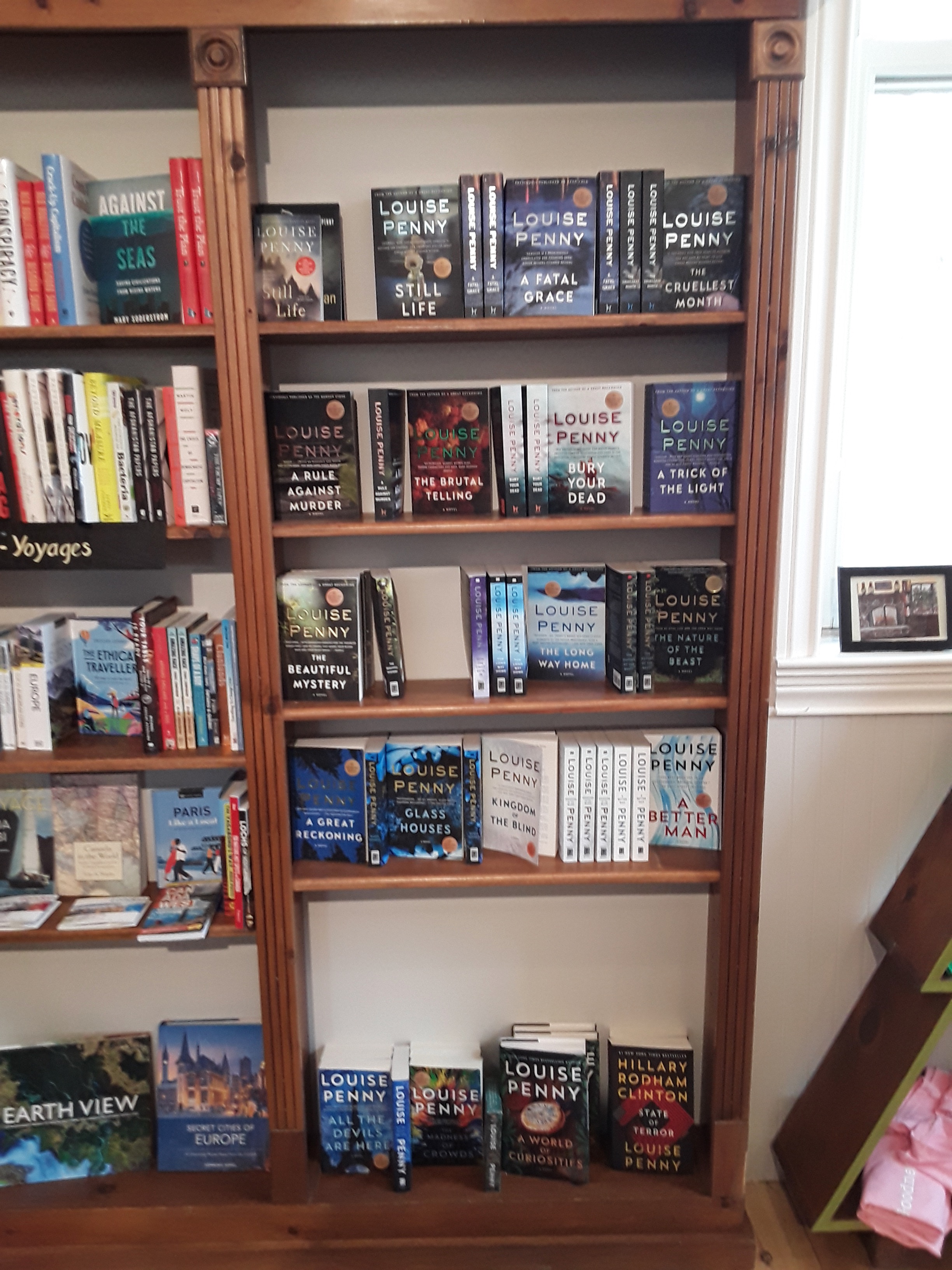
Also about intimate partner violence: I’ve been working through complicated feelings and ideas about Colleen Hoover for several years now, particularly about her Verity. Hoover’s thrillers are very popular with women readers. Like, astonishingly popular. But they are–and I say this with great caution, because it’s over-used–rather problematic. There’s a romanticization of violent men when they’re at their merely passionate, kicking-chairs-around phase; and Hoover, to her credit, sometimes provides back story that explains both the violence and the female protagonist’s attraction to the tall, dark, handsome, and rich male lead (and they’re cardboard, these fellows). But particularly in the film adaptation of It Ends With Us, which is about escaping intimate partner violence, there are a lot of romance tropes, and the film–now infamously–was billed that way.
But now there’s Blake Lively’s lawsuit. And this is important and I’m re-thinking my reaction to what we’ve learned was a manufactured media hate campaign against her.
This doesn’t change my feelings about either the book (which, admittedly, I speed-read–and that’s easy to do with Hoover) before posting my GoodReads review–or the film, which is . . . oof.
But it does complicate the story.
So I’ve been trying to write an op-ed style piece about this, using what I learned in Irina Dumitrescu‘s excellent weekly-long workshop last week at the Jackman Humanities Centre at U of T. Very grateful for that experience and for the Mellon funding that covered travel.
Have a lovely week, folks. I’m teaching all manner of interesting things that will keep me away from research for a bit–but that’s also a joy and a privilege.
 The Landscape of Canadian Women's Crime Fiction
Leave a comment